
In 2023, a Canadian estate case revealed 17 separate online accounts tied to one person – and only 6 were known to the family before legal access began.
That gap is more common than people think. Not because people hide things. Mostly because digital life grows quietly, year after year, across platforms no one keeps track of.
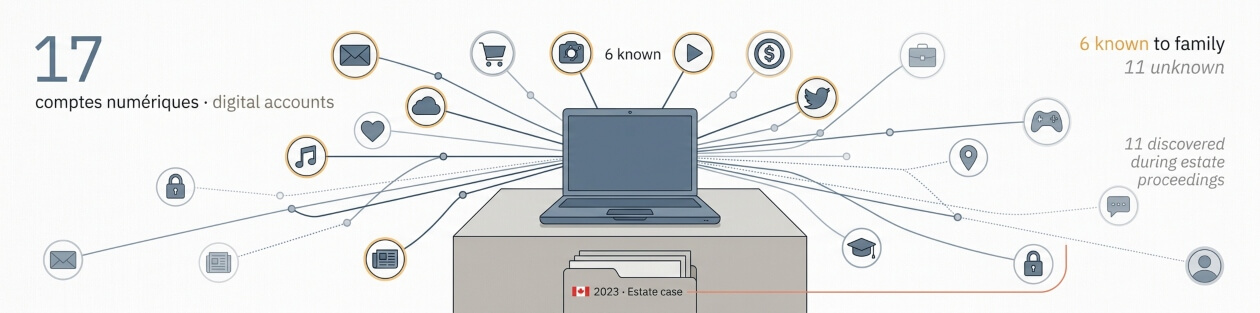
How Many Accounts Actually Exist
A typical adult today leaves behind more than just email and social media. There are streaming services, cloud storage, payment apps, gaming platforms, and niche accounts created once and forgotten.
Some stay active for years without being touched. Others hold small balances. A few, unexpectedly, hold real money.
Online gambling accounts fall into that last category. Not everyone uses them regularly, but they show up in estate records more often than expected. Sometimes with a remaining balance. Sometimes with transaction history that no one in the family knew about.
That part tends to surprise people.
What Families Usually Find First
Access starts with the obvious. Email accounts. Phones. Laptops. From there, things branch out quickly. Password reset requests uncover connected services. Old emails reveal subscriptions. Archived folders point to accounts that haven’t been used in years.
And then there are gaps. Missing logins. Unknown platforms. Services that require identity verification the family doesn’t have.
One executor in Ontario documented 42 recovery attempts across different services. Only 19 worked without legal escalation. The rest stalled.
Financial Traces Don’t Disappear
Banks follow clear procedures. Online platforms don’t always do the same.
Balances can sit untouched. Subscriptions continue billing. Some services close accounts after inactivity. Others keep them open indefinitely.
Online casino platforms sit in an unusual position here. They often require identity checks for withdrawals, even small ones. Without direct access, funds may remain locked until formal documentation is submitted.
And sometimes the amounts are small enough that no one pursues them. Twenty dollars. Fifty. It adds up, but slowly.
The Problem With “Invisible” Accounts
Not every account leaves a visible trail. Some don’t send regular emails. Some use different usernames. Others exist behind app logins that never sync with a main inbox.
Gaming and gambling platforms often fall into this category. They don’t always appear in standard account lists or password managers unless they were added deliberately.
So, they get missed. That doesn’t mean they’re unimportant. Just harder to find.
Why Digital Records Are Incomplete by Default
Most people don’t document their online activity in one place. There’s no central list. No habit of updating it.
A notebook exists for bank details. Maybe. But digital platforms expand faster than any manual system can keep up with.
One small detail stands out here. In several estate cases, families discovered active accounts through browser autofill history – not through documents. A saved login field became the only clue. That’s not a reliable system.
“Because our digital assets tend to be virtual in nature, an executor is not going to find them in a search of our home office.”
– Sharon Hartung, author of Your Digital Undertaker and Digital Executor
What Tends to Cause Delays
Access issues rarely come from one big obstacle. They come from many small ones.
A missing password here. A two-factor authentication code sent to an inactive number. A support request that requires documents no one has ready.
Online gambling platforms add another layer. Identity verification rules are strict, even after death. That’s by design. Fraud prevention doesn’t switch off. So, processes take time.
The Role of Digital Planning
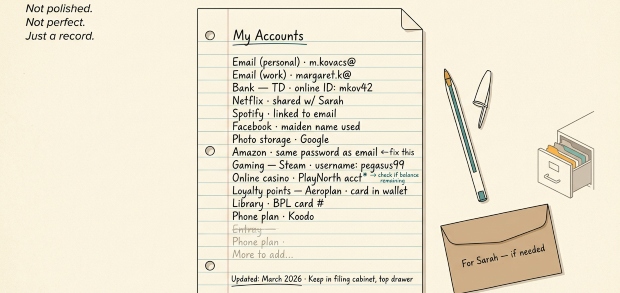
Some people prepare. Not many, but enough to notice the difference. A simple list helps. Not polished. Not perfect. Just a record of accounts that exist.
That includes entertainment platforms. Gaming profiles. Even occasional-use services like online casinos, where activity might not seem important at first glance.
Because later, it is.
What Remains Uncertain
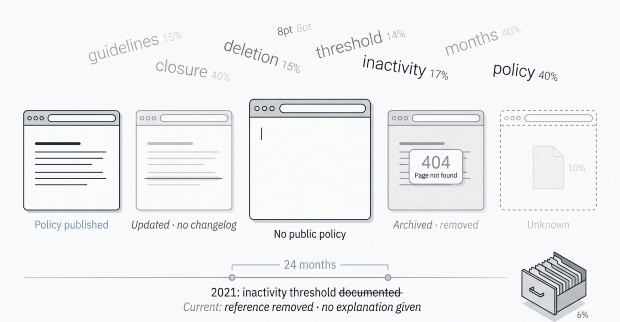
Not every platform explains its policies clearly. Some publish guidelines for account closure after death. Others don’t. There’s no universal standard.
In a few cases, accounts stay online for years. In others, they disappear within months. The reasons aren’t always public.
One archived support page from 2021 mentioned a 24-month inactivity threshold for deletion. The current version doesn’t include that line. No explanation was given.
A Detail Most People Miss
Devices matter more than expected. A phone with saved sessions can unlock more than any password list. Same for a browser that hasn’t been cleared.
One executor described gaining access to 11 accounts in under an hour – simply by opening a laptop that was still logged in. No recovery process. No support tickets. That kind of access doesn’t last forever.
Where Online Gambling Fits into the Picture
Online gambling isn’t central to most people’s digital lives. But it’s part of the ecosystem. Accounts exist. Transactions happen. Balances remain. Ignoring them doesn’t remove them.
In estate handling, they appear alongside everything else – streaming subscriptions, online stores, archived forums. Just another category. Nothing special about it, except that money may be involved.
And money tends to change priorities.
What Actually Helps in Practice
Clarity. Not perfection. A short list of accounts. Updated once in a while. Stored somewhere accessible. That’s enough to reduce most of the friction later.
Here’s what works for executors who have done this before:
- Search the email inbox for terms like “deposit”, “withdrawal”, “bonus”, “balance”, and “casino” – that catches 80% of gambling accounts.
- Check browser saved passwords – not just Chrome, but also Edge, Firefox, and any secondary browser on the deceased’s devices.
- Look at bank statements from the last 18 months – gambling transactions often appear under payment processors (not the casino name directly).
No system covers everything. New accounts appear. Old ones get forgotten. Still, having something is different from having nothing. And in this area, the difference shows immediately.